
Patient Feedback After Discharge: A WhatsApp Guide for Indian Hospitals
Why most hospitals never hear from discharged patients
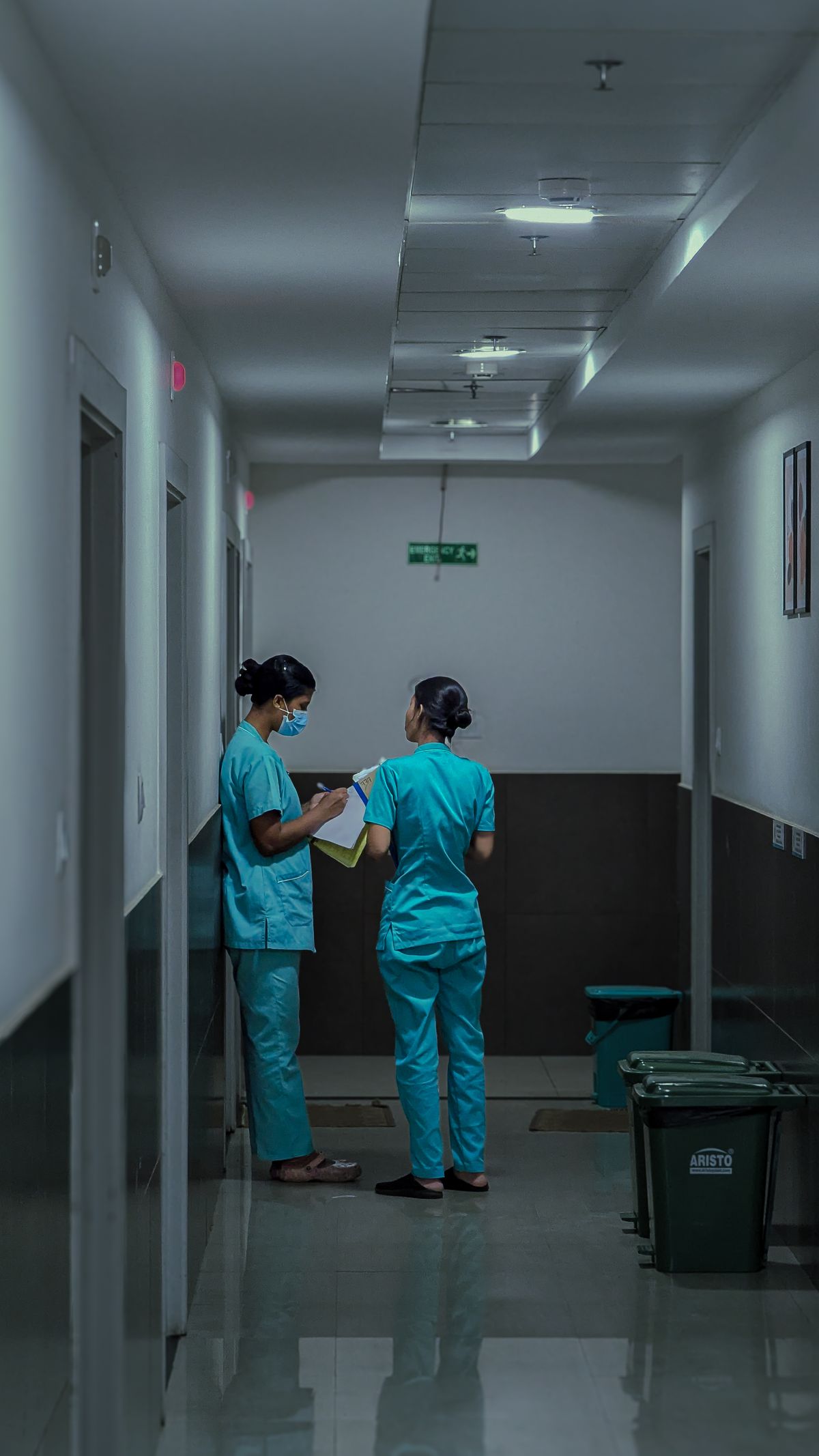
Patients who had a genuinely bad experience rarely walk up to the front desk and say so before leaving. They mention it to family, post about it later, or simply don't come back. Hospitals often estimate that a large majority of discharged patients are never asked how their stay went at all — no call, no form, no message. That's an internal estimate we use to explain the problem, not a published industry figure, and any hospital can verify it for their own patients by simply counting how many were asked last month.
The patients who do speak up unprompted are disproportionately the unhappy ones. A Google review or a WhatsApp forward written by one frustrated family member becomes the page every future patient reads, while the quiet majority who had an ordinary, fine experience leave no trace at all.
Comparing the ways hospitals collect feedback
Every method available to a hospital trades off reach, honesty, and staff effort differently. None is free of downsides — the question is which tradeoffs fit a specific hospital's patient volume and staff capacity.
| Method | Reach | Honesty | Staff effort |
|---|---|---|---|
| Phone call after discharge | Low — many calls go unanswered | Medium — patients soften answers to a live person | High — needs a dedicated caller |
| Paper form at discharge | Medium — filled at the counter | Low — before the full stay is even over | Medium — manual entry after |
| Email survey | Low — many patients don't check personal email | Medium | Low |
| WhatsApp message | High — near-universal in urban and semi-urban India | High — answered privately, once settled at home | Low, once set up |
Reach and honesty comparisons here reflect general patterns reported by hospitals we've spoken with, not a controlled study.
There is one official signal on channel choice. On India's National Consumer Helpline, the share of complaints registered through WhatsApp grew from 3% in March 2023 to 20% in March 2025 (Department of Consumer Affairs, via PIB). That covers every consumer sector, not just healthcare, but it shows people increasingly pick WhatsApp when they have something to say.
How a WhatsApp feedback flow actually works
The mechanics matter more than the channel. A flow that works end to end looks like this:
1. Consent is confirmed before anyone is messaged
The discharge desk logs the discharge and confirms the patient agreed to be contacted. No consent, no message — this is the one non-negotiable step, since it's also what makes the rest of the record usable later.
2. The question goes out a few hours later, not at the door
Right at discharge, a patient is focused on paperwork, billing, and transport. A few hours after reaching home, once the day has settled, they can actually reflect on the stay. One question, a score from 1 to 5, is enough to start.
3. Low scores reach a real person within minutes
A 1 or 2 should route immediately to whoever already handles complaints at the hospital, with enough context to call back same-day. Speed here is what turns a complaint into a phone call instead of a public post.
4. Everyone gets the same review invitation
Every patient who answers, regardless of score, gets asked to leave a public review a short while later. Filtering by score is against WhatsApp Business Platform's own policies and, separately, just delays unhappy patients from posting unprompted — usually with less context than if they'd been asked directly.
What to look for before choosing a system
A few questions separate a system that gets used from one that quietly stops working after month two:
- Does it need staff to log into a new dashboard? Every new login is a step someone eventually skips. Systems that work over WhatsApp, on numbers staff already use, tend to stick.
- Does it filter who gets asked to review? If a vendor's pitch is "only ask happy patients," that's a policy violation risk and a credibility problem, not a feature.
- Does it claim to make you compliant? No feedback tool makes a hospital DPDP-compliant by itself. Be wary of anyone claiming otherwise — the honest answer is that it can support the record-keeping, not replace the hospital's own responsibility.
- Can small departments be gamed by a handful of replies? A department with three responses isn't a meaningful average — it's one person's opinion, and in a small department, an identifiable one.
This is the exact set of tradeoffs CareLoop was built around — one WhatsApp question per discharge, no score filtering, and no dashboard to log into. See the full breakdown on the pricing page, or the longer version of this checklist in how to choose a patient feedback system.
Frequently asked questions
What is the best way to collect patient feedback after discharge?
WhatsApp reaches the highest share of discharged patients in India because it requires no app download, no login, and no phone call to answer. Phone calls depend on staff time and often catch patients when they're too tired to speak honestly; paper forms are usually filled out before the patient has experienced the parts of care that mattered most.
When should a hospital ask a patient for feedback after discharge?
A few hours after the patient reaches home works better than asking at the hospital or the same evening. Waiting gives them time to notice what actually went well or badly, while the visit is still fresh enough to remember specifics.
Should hospitals only ask happy patients to leave a Google review?
No — WhatsApp Business Platform's policies prohibit sending review invitations only to patients who scored well. Filtering by score also just delays the same unhappy patients from posting unprompted later, usually with less context.
Does collecting patient feedback on WhatsApp make a hospital DPDP-compliant?
No single tool makes a hospital compliant with India's Digital Personal Data Protection Act, 2023. A WhatsApp feedback system can enforce recorded consent and keep an audit-supporting log, but the hospital remains responsible for its overall compliance obligations.
Who should receive a discharged patient's complaint at a hospital?
Most hospitals route it to whoever already handles patient grievances, rather than creating a new role. What changes is timing: a low score reaching that person within minutes instead of surfacing days later as a public review.
- LOG DISCHARGE: How Hospital Staff Start CareLoop on WhatsApp
- How to Choose a Patient Feedback System for Your Hospital
- Hospital Grievance Officer Rules in India: What the Law Actually Requires
- How to Get More Google Reviews for Your Hospital (Without Filtering)
- Hospital Patient Complaint Data in India: What's Actually Published